Troubleshooting
Posting too much online can expose you to serious risks—from identity theft to job loss. These 10 real-life dangers of oversharing on social media show why privacy matters more than ever in the digital age.
Identity theft and fraud risks
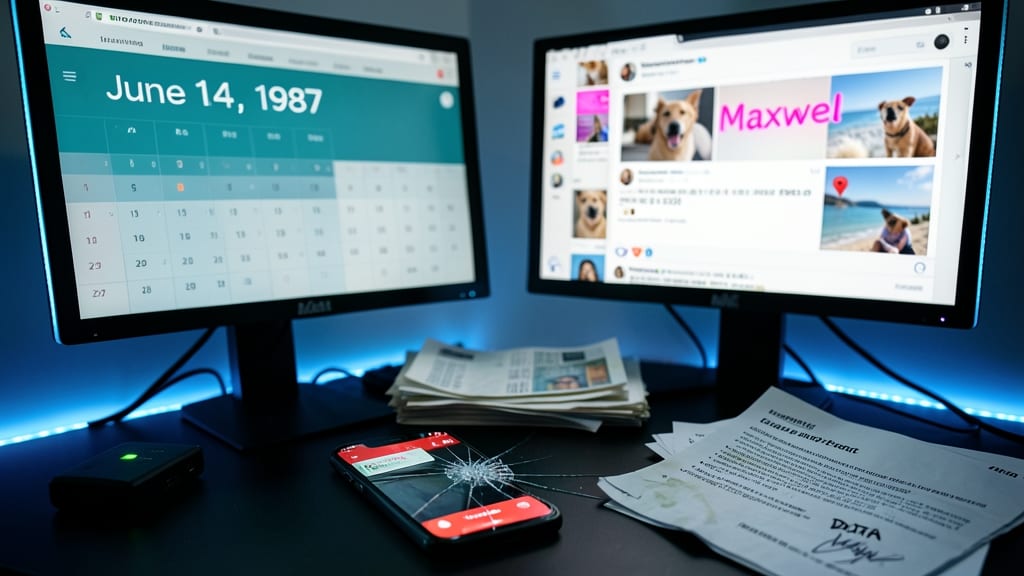
Your seemingly harmless posts—like your birthdate, pet’s name, or vacation photos—can be goldmines for hackers. Scammers use this data to reset passwords, open credit cards, or even file fraudulent tax returns in your name, leaving you to clean up the mess.
Even a single overshared detail (like your mother’s maiden name or address) can trigger synthetic identity fraud, where criminals combine real and fake info to create entirely new identities. Dark web forums trade stolen data for as little as $5, turning your social media into an open vault for fraudsters. Tools like Have I Been Pwned? can show if your data’s already exposed.
This risk isn’t just for tech novices—high-profile targets (CEOs, influencers) are often hit hardest. If you’ve ever posted a selfie with your license plate or tagged your home address, you’ve already given scammers a head start. 💻
Job loss due to employer screening
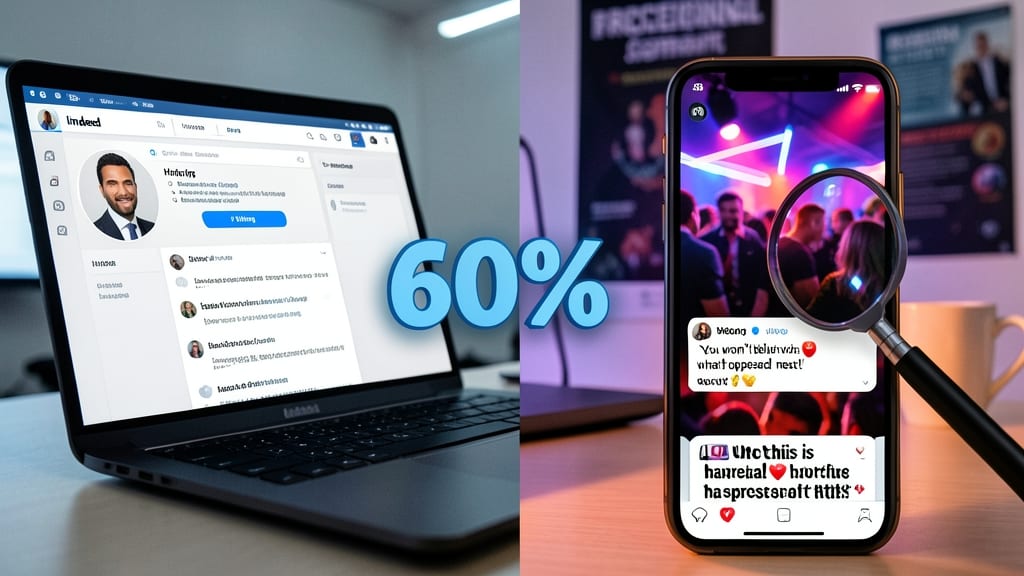
Did you know 60% of employers now screen candidates’ social media before hiring—or even firing? A single inflammatory post, party photo, or unprofessional comment can derail your career before you walk into an interview.
Recruiters and HR teams actively search platforms like LinkedIn, Twitter, and Facebook for red flags. Even seemingly harmless content—like political rants, negative reviews of past employers, or excessive personal drama—can trigger automatic rejection. Worse, 43% of companies have fired employees over social media missteps, per CareerBuilder’s research. The stakes are high whether you’re job hunting or already employed.
Freelancers, creatives, and entry-level candidates face the highest risks, but no role is immune. A 2023 study found that one in five job applicants gets rejected due to social media oversharing. Think twice before posting—your next opportunity could depend on it. 💻
Online harassment and cyberbullying
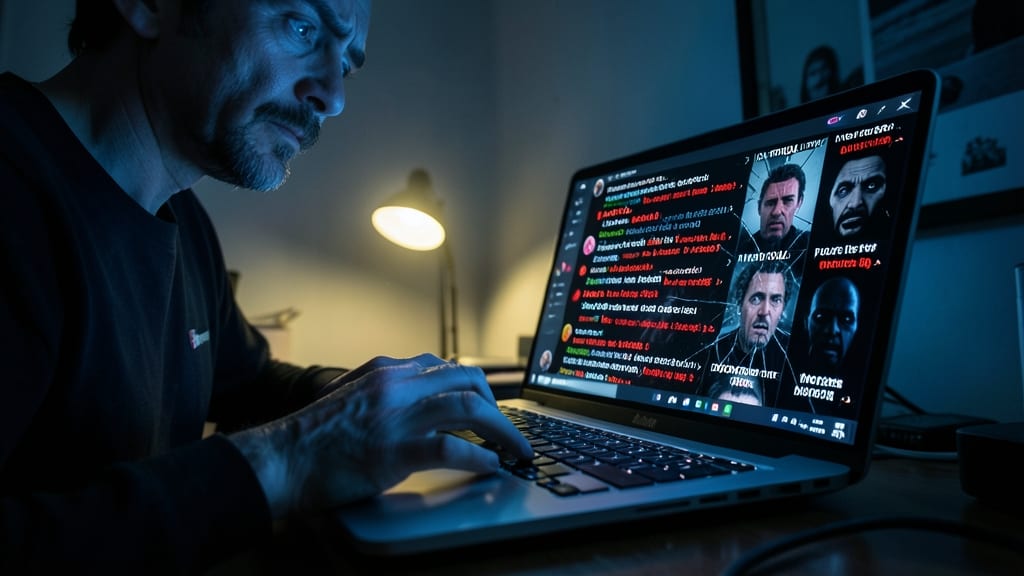
Sharing your thoughts online can feel empowering—until a single post turns into a magnet for trolls, stalkers, or doxxers. Marginalized groups, activists, and women often face heightened risks when their personal stories or opinions go viral, making them targets for harassment campaigns.
Platforms like Twitter/X, Reddit, and TikTok lack built-in safeguards for this kind of abuse, leaving users vulnerable to doxxing (publicly exposing private info), swatting (fake emergencies sent to lure law enforcement), or revenge porn. Even private messages can be screenshotted and weaponized, with no easy way to retract them. Tools like Two-Factor Authentication (2FA) and private accounts help, but they’re no substitute for thoughtful posting.
If you’re an activist, creator, or anyone with a public voice, delay posting controversial content to assess risks. Use platform-specific privacy settings (like Instagram’s "Close Friends" lists) and avoid geotagging personal locations. Stay safe, stay sharp. ✨
Location tracking and physical safety
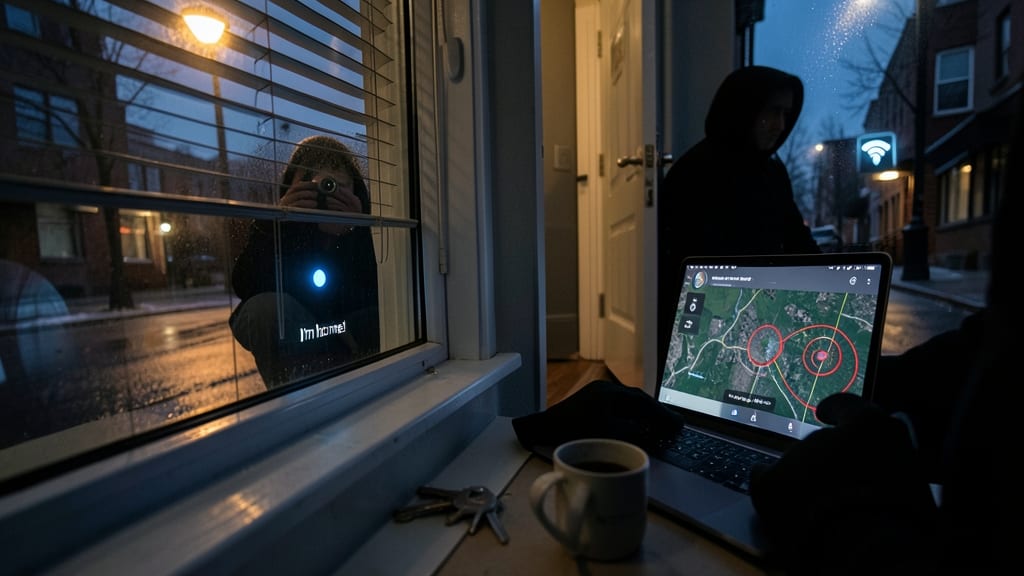
Your "I’m home!" check-in might seem harmless, but real-time location sharing can turn your social media into a burglar’s treasure map. Criminals use tools like Geofeencing apps or even public Wi-Fi tracking to monitor your movements—especially if you’re alone or in high-risk areas.
Platforms like Facebook, Instagram, and Snapchat often default to permanent location history, making it easy for stalkers or opportunists to track your routine. Even "disappearing" stories can leave traces—some third-party apps scrape this data for resale. A 2022 FBI report linked 30% of home burglaries to victims’ oversharing of travel or daily routines online.
This risk isn’t just theoretical: Solo travelers, night-shift workers, and pet owners are prime targets. Before hitting "Share Live Location," ask yourself: Would I post this on a billboard? If not, keep it private—your safety isn’t worth a few likes. 💪
Blackmail and extortion scams
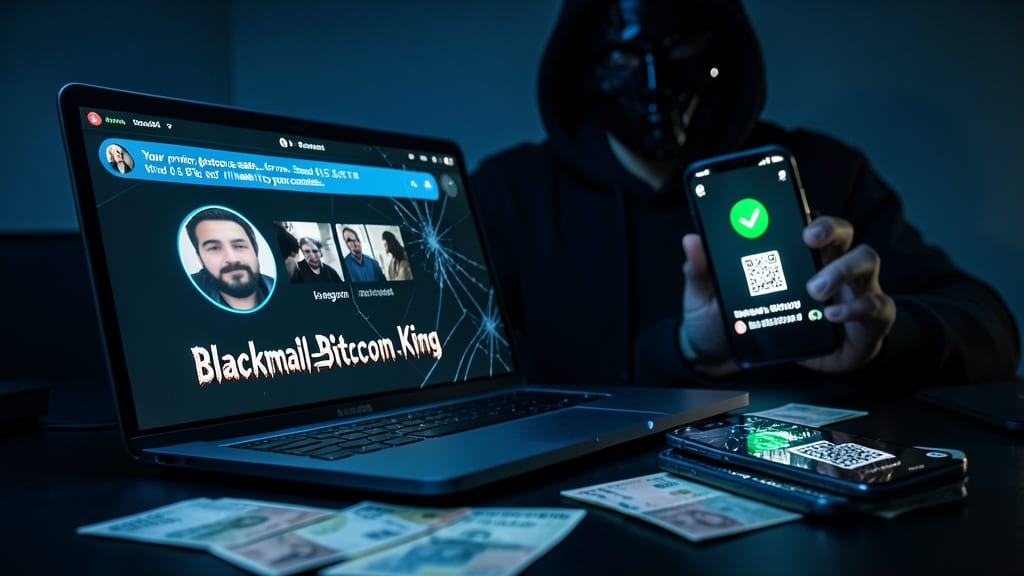
One private photo or message sent in confidence can become your biggest liability. Scammers exploit platforms like Instagram and Snapchat to steal or blackmail users, demanding Bitcoin payments or favors to keep compromising content private.
These schemes often start with fake profiles or hacked accounts, then escalate with threats tied to disappearing messages or unverifiable claims. Victims report demands ranging from $500 to $10,000, with scammers exploiting fear of public exposure. Even "deleted" messages can be screenshotted or shared.
Teens, influencers, and professionals are prime targets—anyone who shares personal content risks becoming a victim. Always verify sender identities and avoid engaging with suspicious requests. 💻
Social engineering and phishing attacks

That "innocent" vacation photo of your kid’s first day of school or your new puppy might seem harmless—but scammers use these details to craft hyper-personalized phishing attacks. A fake "urgent message" from a "travel buddy" or "neighbor" suddenly feels real when they reference your recent trip or your pet’s name.
These attacks often start with a fake support email (e.g., "Your Amazon order failed—click here to resolve") or a fake family emergency (e.g., "Dad’s in the hospital—send money now!"). Once you respond, they’ll ask for passwords, gift cards, or direct bank transfers, exploiting the trust built from your oversharing. Even seemingly small details—like your favorite coffee shop or hobbies—can be used to bypass security questions.
Small business owners and remote workers are especially vulnerable, as scammers impersonate "IT support" or "vendors" using details from your public profiles. Always verify requests via direct calls (not links) and enable multi-factor authentication on all accounts. 💪
Damaged personal relationships
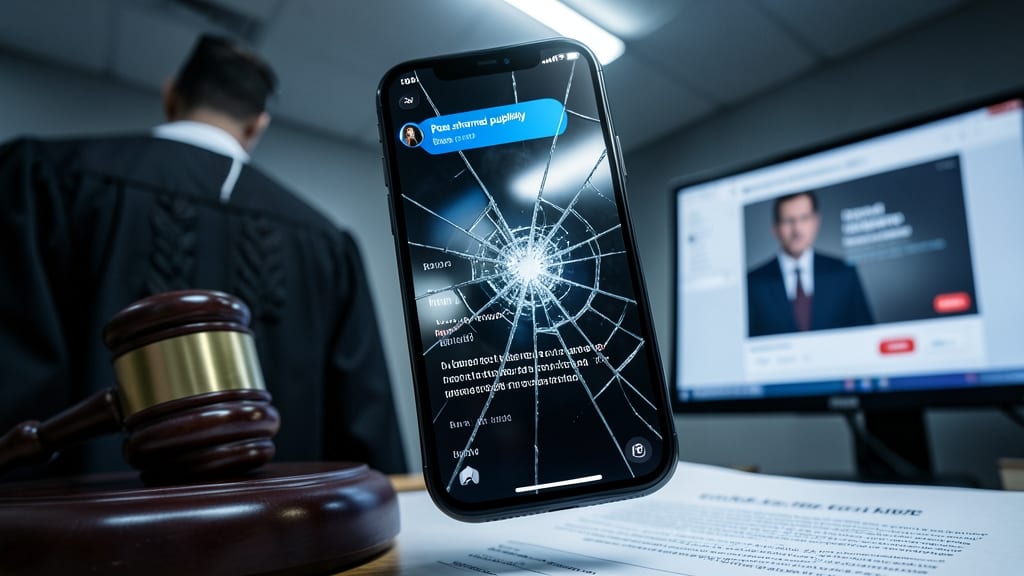
Ever vented about an argument or breakup online—only to regret it later? Publicly airing grievances can backfire when screenshots or posts resurface, especially in divorce cases or custody battles, where judges may scrutinize digital footprints. Platforms like Facebook and Instagram don’t delete posts automatically, leaving you vulnerable to being used against you in legal or personal disputes.
Even seemingly harmless rants can escalate when ex-partners or friends weaponize your words—whether by sharing them with mutual contacts or using them to manipulate situations. The permanent nature of social media means a single heated post could resurface years later, complicating reconciliation or legal proceedings. Worse, algorithms may amplify your conflict, turning private drama into public spectacle.
This risk isn’t just emotional—it’s actionable. Before posting, ask: Could this be used against me? Use privacy settings or delete sensitive posts immediately. Couples in conflict or high-stakes relationships should treat social media like a digital courtroom. ✨
Algorithmic discrimination in AI systems
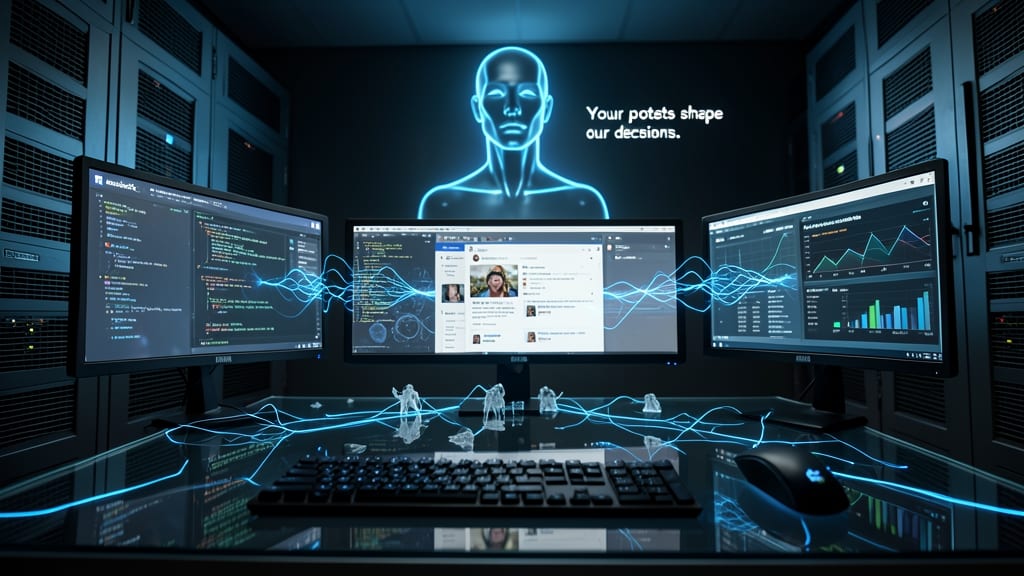
Your seemingly harmless social media posts might be silently training AI systems to discriminate against you. Companies like Facebook, Google, and even banks use publicly shared data to feed machine learning models, which can then unfairly influence decisions about loans, insurance rates, or even service access.
For example, a study by the National Bureau of Economic Research found that AI-driven lending algorithms often reject applicants based on indirect biases—like zip codes or job titles—extracted from social media profiles. Even seemingly neutral posts (e.g., "just moved to a new neighborhood") can trigger algorithmic red flags that lead to higher premiums or denied applications.
If you’re applying for mortgages, jobs, or public services, your oversharing could be working against you without you even realizing it. 🌟
Legal consequences for privacy violations
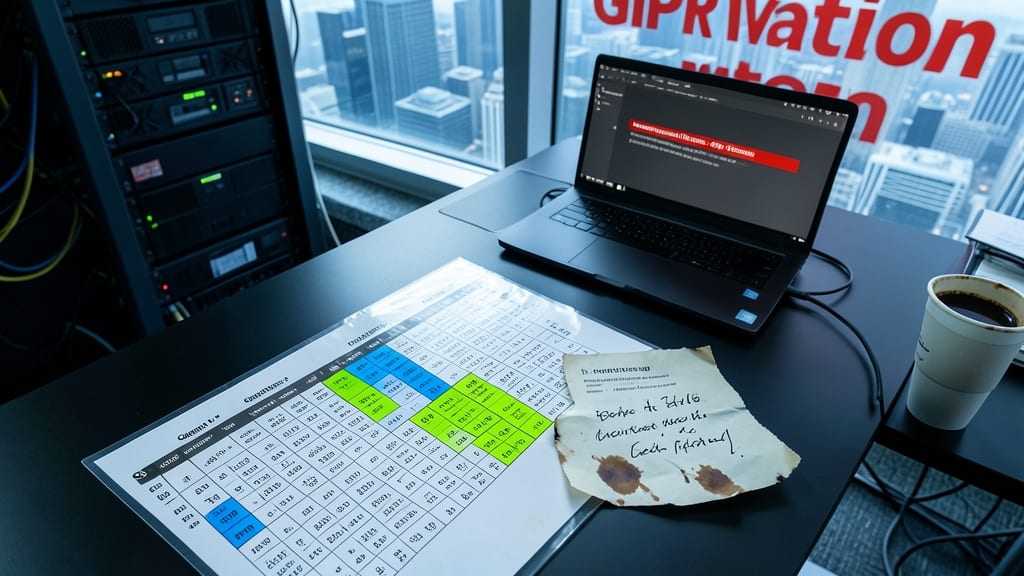
One accidental post of a confidential client spreadsheet or internal company memo could turn into a multi-million-dollar lawsuit—or worse, a GDPR violation with fines up to 4% of global revenue. Unlike other oversharing risks, this isn’t just about embarrassment or scams; it’s a direct threat to your career and financial stability.
Under California’s CCPA or EU’s GDPR, exposing personal data—even unintentionally—can trigger legal action. Industries like healthcare, finance, and law face strict professional conduct rules, where a single misplaced screenshot could lead to disciplinary action or license revocation. Even freelancers risk losing clients when sensitive project details go public.
This risk isn’t limited to professionals—anyone sharing private chats, medical records, or legal documents could face consequences. Always double-check before posting, and use platform privacy tools like Facebook’s "Limit Past Posts" feature or LinkedIn’s audience controls. 💻
Emotional exhaustion from constant oversharing
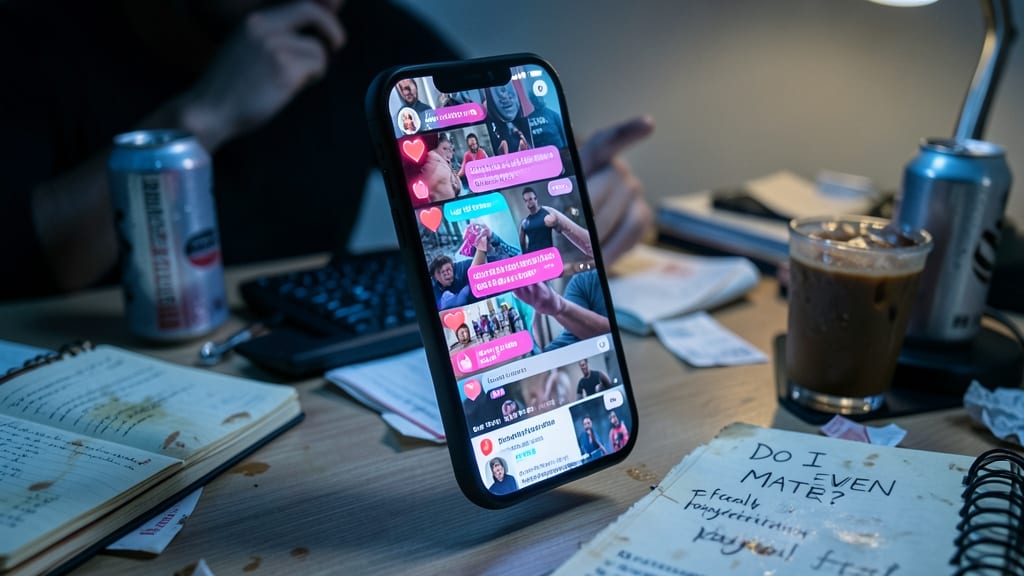
Ever feel like your social media feed is a never-ending cycle of likes, comments, and validation-seeking posts? Studies show that constant oversharing—especially for approval—can trigger chronic anxiety and comparison stress, thanks to the dopamine-driven feedback loops baked into platforms like Instagram and TikTok.
Research from the American Psychological Association links excessive posting to social media burnout, where users experience emotional fatigue, low self-esteem, and even depression-like symptoms. The problem isn’t just the content—it’s the algorithm’s demand for engagement, which tricks your brain into seeking validation through likes and shares, creating a vicious cycle of dependency.
If you’re someone who checks notifications compulsively or feels drained after scrolling, this is your sign to audit your habits. Try muting notifications, scheduling digital detoxes, or even deleting apps that trigger comparison. Your mental health deserves better than endless validation. ✨