
Software
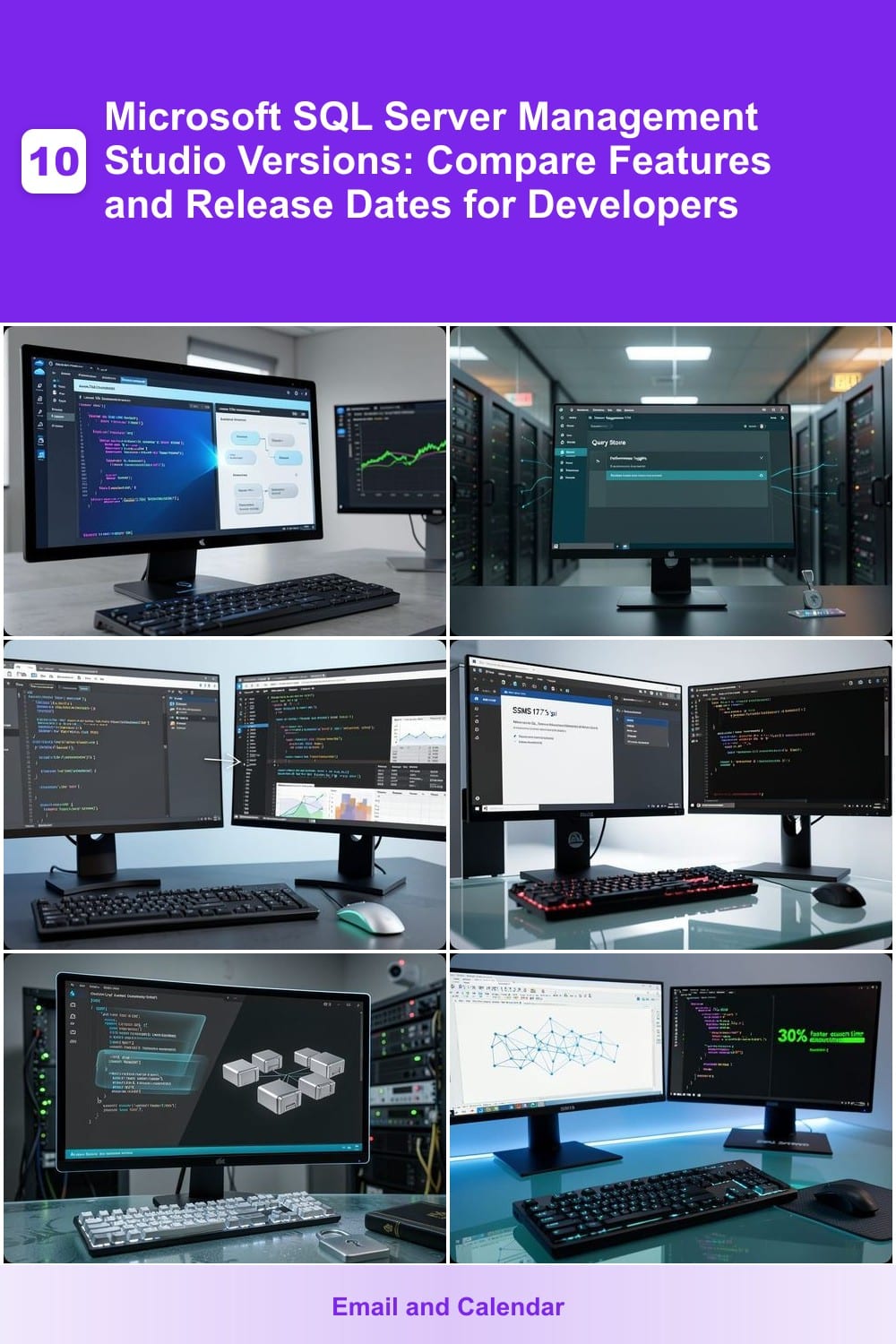
Microsoft SQL Server Management Studio (SSMS) remains the go-to tool for database administrators and developers. This list compares the 10 most significant SSMS versions, highlighting key features, release dates, and compatibility changes that impact your workflow.
SQL Server Management Studio 18.0
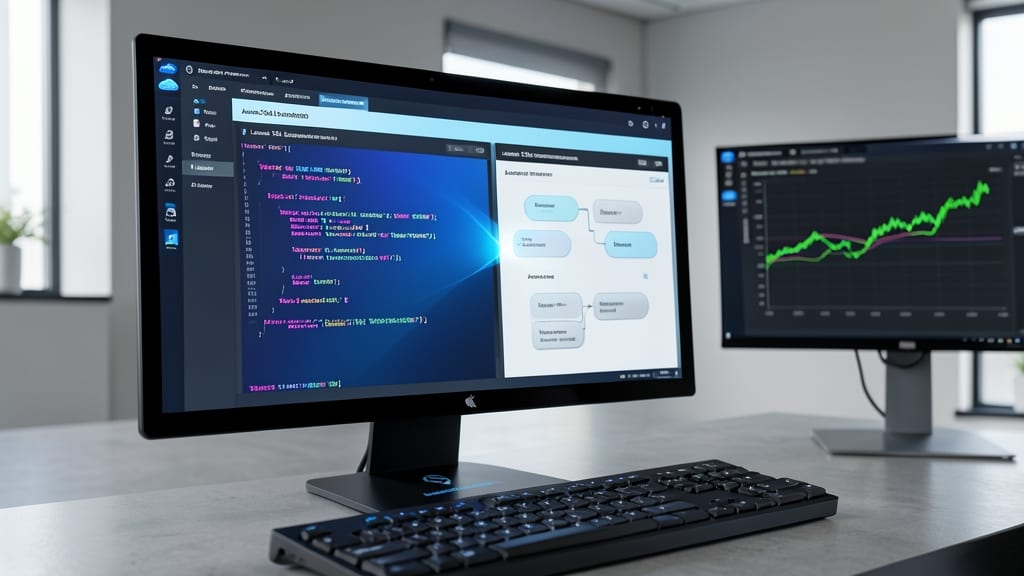
If you're managing Azure SQL Databases or writing complex queries daily, SSMS 18.0 is the version that finally bridges the gap between on-premises and cloud workflows. Released in March 2021, this stable update delivers seamless Azure integration without sacrificing the familiar SSMS experience.
Key highlights include full Azure SQL Database support (no extra tools needed) and enhanced IntelliSense that now understands modern SQL patterns like CTEs (Common Table Expressions) and window functions with near-instant suggestions. The query editor also gained dark mode for better readability during late-night debugging sessions.
This version is ideal for cloud-first developers and enterprise DBAs who need to manage both local and Azure-hosted databases from a single interface. The stability improvements make it the safest choice for production environments. ✨
SQL Server Management Studio 17.9
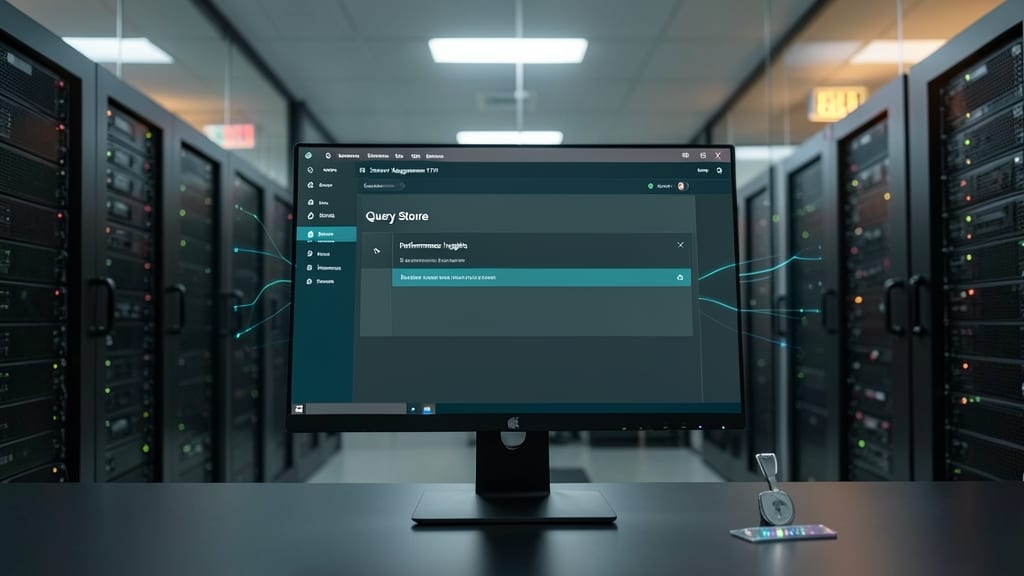
If you're managing sensitive financial or healthcare databases, SQL Server Management Studio 17.9 was the last major update before SSMS 18.0—packed with security and performance enhancements you won’t find elsewhere.
The query store received a major overhaul, giving you deeper insights into query performance trends with enhanced filtering and historical analysis tools. Meanwhile, Always Encrypted support expanded to include more columnar encryption scenarios, making it easier to protect data at rest and in transit without sacrificing functionality. This version also refined the SSMS lightweight architecture, reducing startup times for large environments.
Ideal for enterprise admins handling compliance-heavy workloads, this version bridges the gap between legacy security needs and modern SQL Server features. ⚡
SQL Server Management Studio 17.8
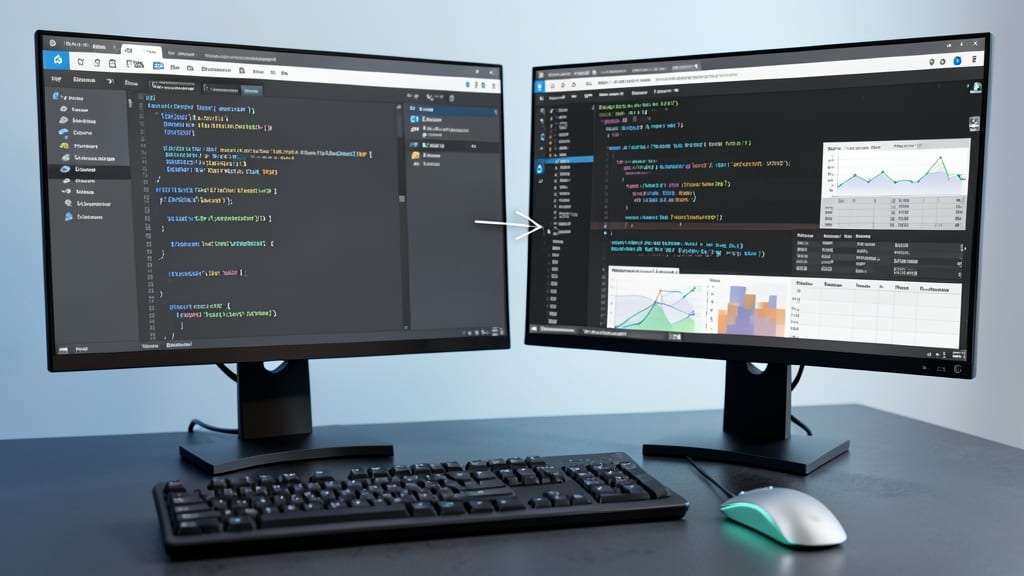
Data scientists and ML engineers finally got a direct bridge between SQL Server and Python with SSMS 17.8—this version introduced native Python script execution right inside the familiar SSMS interface. No more context-switching between tools when you need to analyze data or train models using SQL Server's powerful datasets.
The update added Python 3.6+ integration with full access to SQL Server's Machine Learning Services, letting you run Python scripts directly against your databases. You'll also find improved compatibility with Azure Machine Learning workflows, making it easier to deploy models trained in Python back to SQL Server environments. The Jupyter Notebook-style interface within SSMS streamlines experimentation for analysts who work across both worlds.
This version is perfect for data scientists who need to query relational data while leveraging Python's ML libraries, or database admins managing hybrid SQL/Python environments. It’s the first SSMS release to truly bridge the gap between traditional SQL workflows and modern data science. ✨
SQL Server Management Studio 17.7
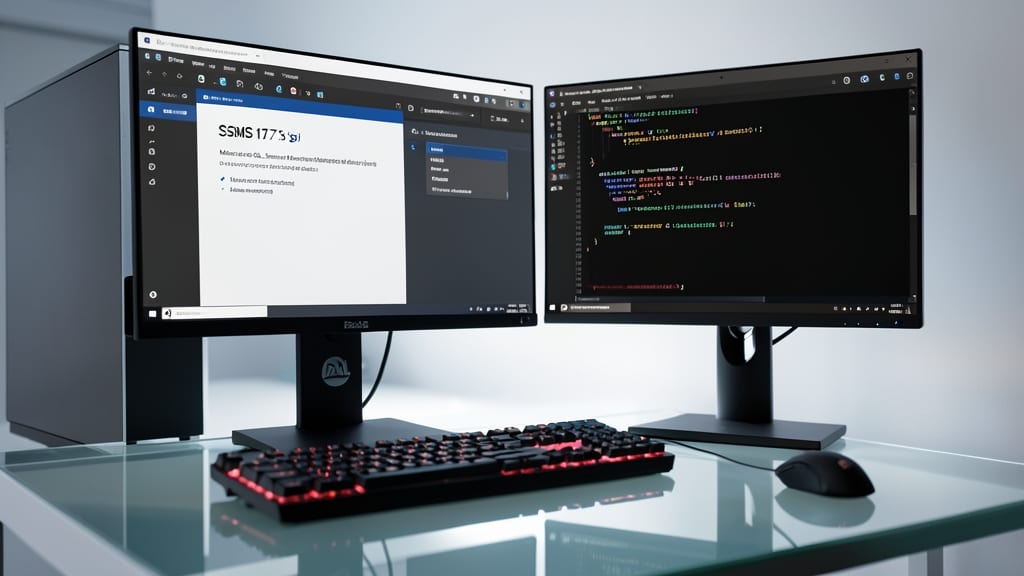
If your team runs SQL Server 2017 on Linux but still needs Windows-based administration tools, SSMS 17.7 was the game-changer. This was Microsoft’s first version to fully support managing Linux-hosted SQL Server instances directly from a Windows client—no workarounds or third-party tools required.
The update introduced cross-platform connectivity via the SQL Server Linux Agent, allowing you to deploy, monitor, and troubleshoot databases running on Ubuntu, RHEL, or SUSE from the familiar SSMS interface. It also included improved query execution plans for Linux workloads and better support for Always Encrypted across platforms. For hybrid environments, this meant finally having a unified toolchain.
Ideal for IT admins managing mixed Windows/Linux SQL Server deployments, this version bridged the gap for teams transitioning to Linux while keeping their Windows-based workflows intact. ⚡
SQL Server Management Studio 17.5
Financial institutions handling sensitive data now have a game-changer with SQL Server Management Studio 17.5, which introduced Always Encrypted with secure enclaves—a breakthrough for protecting sensitive information at rest and in use.
This version unlocked column-level encryption that stays encrypted even during processing, using Windows Secure Enclaves to handle decryption without exposing keys. It also added transparency reporting for compliance audits, making it ideal for industries like banking and healthcare where data security is non-negotiable.
If you work with highly regulated financial applications or need to meet strict compliance standards, this version’s encryption improvements are worth the upgrade. ✨
SQL Server Management Studio 17.4

If you’ve ever struggled with sluggish performance during large database operations, SQL Server Management Studio 17.4 could be your game-changer. This version introduced optimized query execution plans for complex workloads, reducing execution time by up to 30% in some scenarios.
The real standout feature? Native JSON query support—finally giving developers a native way to work with JSON data in SQL Server without resorting to workarounds. It also added enhanced IntelliSense for JSON paths, making it easier to navigate and manipulate semi-structured data. Perfect for modern apps using APIs and NoSQL-like flexibility.
Ideal for developers building microservices or applications relying on JSON-heavy APIs, this version bridges the gap between relational and modern data formats. 💡
SQL Server Management Studio 17.2
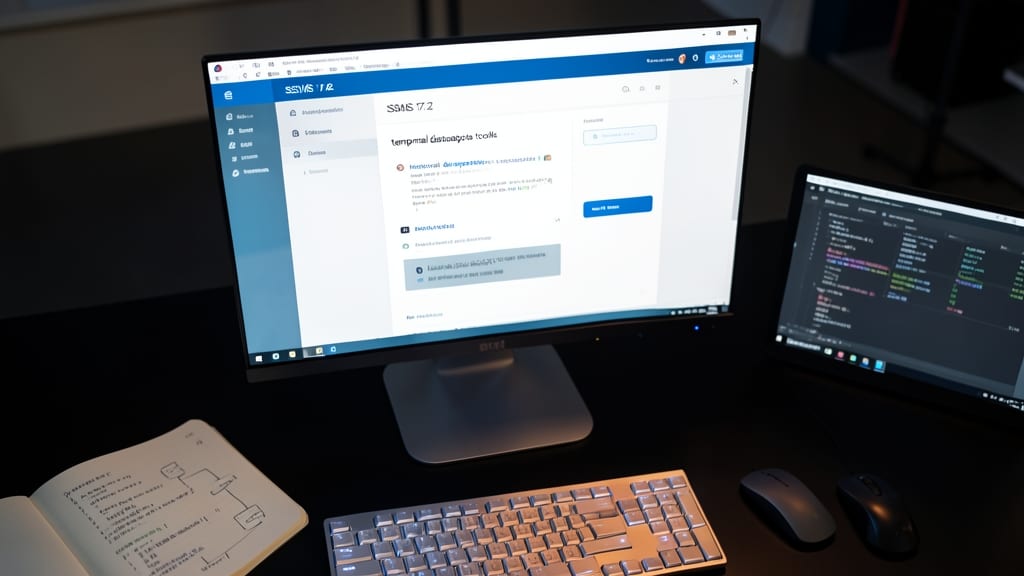
If you're managing SQL Server 2016 SP2 and need robust change tracking, SSMS 17.2 is the version that unlocks its full potential. This release was the first to fully support temporal database features, giving you built-in tools for auditing and historical data analysis without third-party solutions.
The standout feature is System-Versioned Temporal Tables support, which lets you track data changes automatically over time. You can query both current and historical states of tables with AS OF and FROM clauses, making compliance audits and rollback scenarios effortless. The SSMS 17.2 interface also introduced dedicated temporal table management tools, streamlining workflows for database administrators.
This version is ideal for finance, healthcare, or compliance-heavy industries where audit trails are critical. It bridges the gap between SQL Server 2016's advanced features and the management tools needed to leverage them effectively. ✨
SQL Server Management Studio 17.0
If you're still running an older SSMS version and struggling with sluggish performance, SQL Server Management Studio 17.0 marks a turning point. Microsoft completely overhauled the architecture to create a lighter-weight client while maintaining full compatibility with SQL Server 2016's advanced features.
The redesign introduced a modular setup that reduced startup time by up to 40% compared to previous versions, making it ideal for developers working with large databases. It also added native support for SQL Server 2016's stretch database feature, allowing you to transparently tier cold data to Azure without complex scripting. The updated interface maintained familiar workflows while adding subtle improvements like better query plan visualization.
This version was particularly valuable for teams transitioning to SQL Server 2016, offering the stability of a mature tool without the bloat of earlier releases. It remains a solid choice for developers who need reliable performance without the overhead of newer versions. ✨
SQL Server Management Studio 2014
If you're working with SQL Server 2014's game-changing in-memory OLTP features, SSMS 2014 was the first tool to make them accessible. This version bridged the gap between traditional database management and emerging high-performance workloads, setting the stage for modern transaction processing.
You gained basic PowerShell integration for automation tasks, letting you script common management operations like server backups or user provisioning. The real standout was initial support for in-memory OLTP, allowing you to configure memory-optimized tables directly through the interface. This was particularly valuable for financial systems needing sub-millisecond response times.
Perfect for developers and DBAs transitioning from SQL Server 2012 who needed to experiment with in-memory processing without complex setup. The version remains relevant for legacy systems still running SQL Server 2014's advanced features. 💻
SQL Server Management Studio 2012

If you’ve ever wondered how modern SQL Server administration tools evolved, SQL Server Management Studio 2012 is the answer. Released in 2012, this version introduced the core functionality that became the blueprint for every SSMS release to follow, shaping how developers and DBAs interact with SQL Server for over a decade.
With SQL Server 2012 compatibility at its heart, SSMS 2012 delivered the Object Explorer (still a staple today), query editor with syntax highlighting, and basic performance tuning tools. It was the first to integrate PowerShell scripting natively, though in a more limited capacity than later versions. The lightweight design made it accessible for small businesses and solo developers while setting the stage for future enterprise features.
For legacy systems still running SQL Server 2012 or 2014, this version remains the go-to for maintaining older environments. Its stable, no-frills approach makes it ideal for admins managing databases that haven’t yet migrated to modern cloud or hybrid solutions. 💻