
Coding
SQL Server 2012 introduced groundbreaking features that transformed database management. These 10 innovations—from performance boosts to enhanced security—revolutionized how professionals handle data, making it a must-upgrade version for any database administrator.
AlwaysOn Availability Groups
Mission-critical applications can't afford downtime—and AlwaysOn Availability Groups in SQL Server 2012 delivers enterprise-grade reliability with synchronous replication across multiple servers. Unlike traditional mirroring, this feature supports up to 8 secondary replicas, ensuring data consistency while minimizing latency.
With automatic failover and readable secondaries, you can distribute workloads and maintain performance even during primary server failures. The zero-data-loss guarantee makes it ideal for financial systems, healthcare records, or any application where uptime is non-negotiable. Configuration is streamlined through SQL Server Management Studio, reducing setup complexity. 💻
Columnstore Indexes for Data Warehousing

Struggling with slow analytical queries on massive datasets? Columnstore indexes in SQL Server 2012 could be your game-changer. Unlike traditional row-based indexes, this feature reorganizes data vertically, drastically reducing storage footprint and accelerating query performance for data warehousing workloads.
With Columnstore indexes, you gain up to 10x faster query performance for aggregations and scans by storing data in columns rather than rows. The compression ratio often exceeds 90%, making it ideal for historical data lakes. Plus, it integrates seamlessly with SQL Server Analysis Services (SSAS) for even deeper analytics optimization.
This feature is a must-have for data analysts, BI developers, and enterprises dealing with terabytes of transactional data. If your workload involves complex reporting or predictive modeling, Columnstore indexes deliver the speed you need without hardware upgrades. ✨
Contained Databases with User-Defined Security
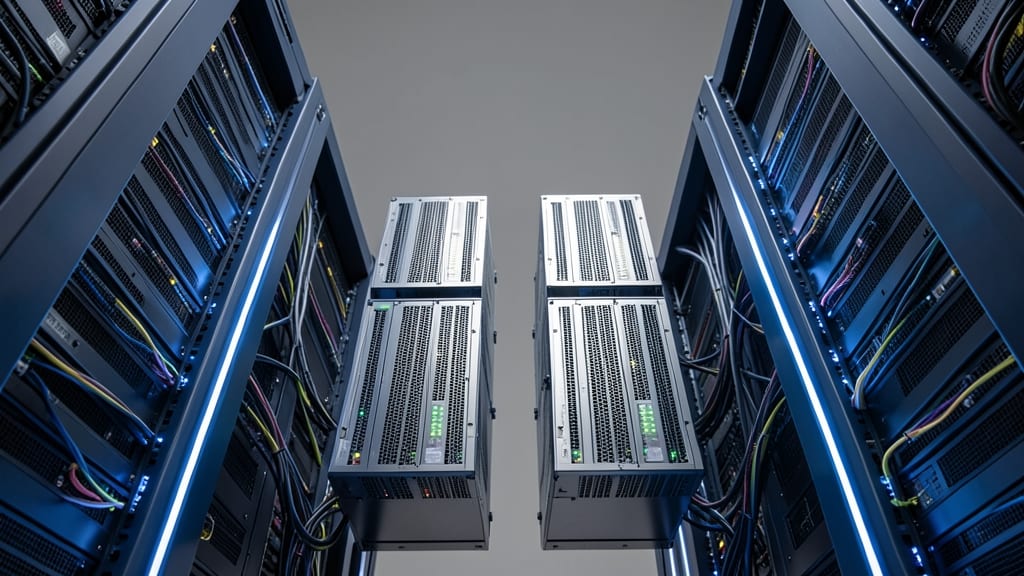
Multi-tenant SaaS providers finally got a game-changer with SQL Server 2012's Contained Databases—a feature that isolates database environments while maintaining security at the user level. Unlike traditional setups where cross-database vulnerabilities could cripple entire systems, this innovation lets you define granular permissions and dependencies within each database container.
The magic happens through user-defined security boundaries, where logins and permissions stay contained within their database—no more accidental privilege escalation across environments. You also gain simplified administration with contained backups and restores, plus the ability to move databases between instances without breaking dependencies. For SaaS platforms hosting thousands of customers, this means zero shared vulnerabilities while keeping operations streamlined.
This feature shines brightest for hosting providers and SaaS developers building multi-tenant solutions. If you're juggling customer data across isolated environments, Contained Databases let you enforce security without sacrificing flexibility. ✨
SQL Server Data Tools (SSDT) Integration

Tired of managing database projects with disjointed tools? SQL Server Data Tools (SSDT) bridges the gap between development and deployment by embedding directly into Visual Studio 2010/2012, giving you a unified environment for designing, debugging, and deploying database schemas.
With SSDT, you gain version control integration (via TFS, Git, or Subversion) for database projects, plus schema comparisons and automated deployment scripts to sync changes across environments. The Database Project template even lets you define dependencies and pre/post-deployment scripts—no more manual SQL file management.
This feature is a game-changer for teams using Agile methodologies, as it streamlines CI/CD pipelines for database changes. Developers and DBAs working in Visual Studio-heavy shops will love the seamless workflow. ✨
Windows Azure Integration for Cloud Deployment
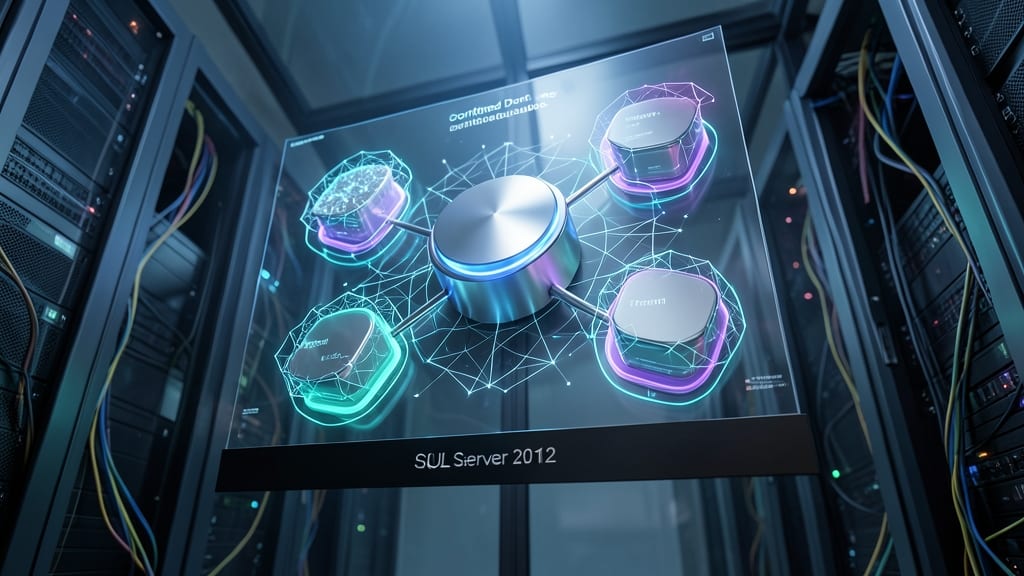
Tired of complex cloud migrations that require rewriting applications? SQL Server 2012’s Windows Azure Integration bridges the gap between on-premises and cloud environments with native hybrid cloud support. This feature lets you migrate databases to Azure with minimal configuration changes, using familiar T-SQL commands instead of proprietary tools.
The integration includes Azure Database Services compatibility, allowing you to deploy databases to Azure with zero code changes in many cases. You can even use Azure Elastic Database Tools to manage scaling and failover across environments. The hybrid connection ensures seamless data synchronization, whether you’re running workloads locally or in the cloud.
This is a game-changer for businesses testing cloud adoption—ISVs, enterprises, and startups can now experiment with Azure without risking compatibility issues. The best part? Your existing SQL Server skills transfer directly to the cloud. ✨
Contained Backup and Restore Operations

Tired of juggling separate backup tools and scripts that complicate disaster recovery? SQL Server 2012’s Contained Backup and Restore Operations streamlines the process by encapsulating everything within a single database container, eliminating the need for external dependencies.
This feature lets you perform full, differential, and transaction log backups directly within a contained database, while restoring operations maintain the same isolation. No more cross-database dependencies or complex scripting—just point-and-click recovery for standalone databases with built-in security contexts. The result? Faster restores and fewer administrative headaches in large-scale environments.
Perfect for enterprise environments managing multiple databases, this feature is a game-changer for IT teams prioritizing efficiency and reliability. 💪
SQL Server Data Quality Services
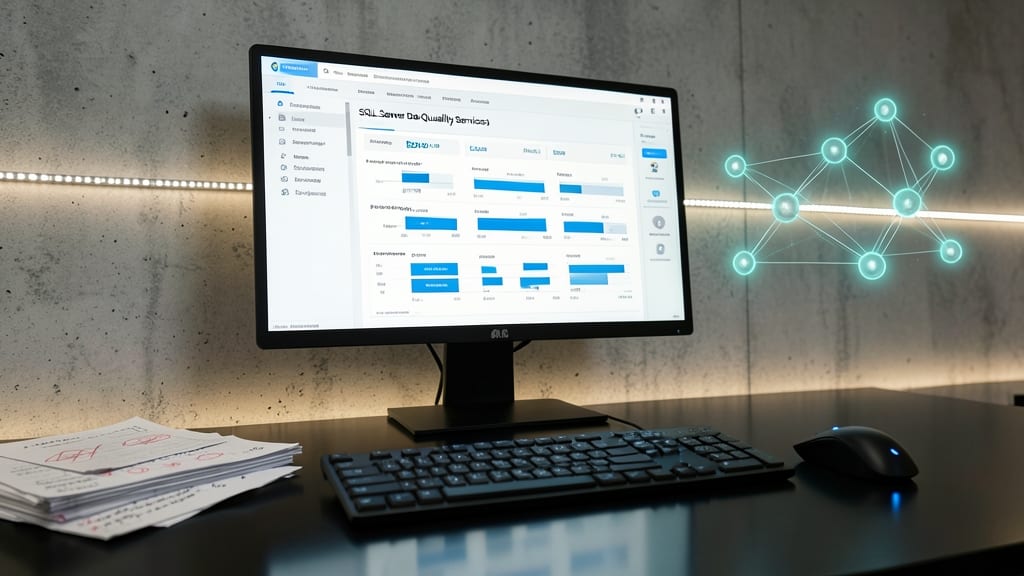
Tired of spending hours manually scrubbing datasets for inconsistencies? SQL Server Data Quality Services (DQS) automates the process with built-in profiling and cleansing tools that detect and fix errors—saving you time and reducing human error.
This feature includes data cleansing packages that identify duplicates, standardize formats, and validate entries against reference data. The DQS Client provides a user-friendly interface for creating knowledge bases, while the DQS Server handles heavy lifting by processing large datasets efficiently. It even integrates with Master Data Services (MDS) for centralized data governance.
Perfect for enterprise data teams managing customer records, financial data, or inventory systems, DQS ensures consistency without requiring deep scripting expertise. ✨
Extended Event Architecture for Deep Diagnostics

Tired of SQL Trace’s bloated overhead slowing down your diagnostics? Extended Events in SQL Server 2012 delivers a lightweight, high-performance alternative with near-zero impact on production workloads.
This architecture lets you capture real-time event streams (like deadlocks, query waits, or failed logins) with minimal resource usage, unlike the legacy SQL Trace that could consume 50%+ of CPU during heavy monitoring. You get customizable event sessions with flexible filtering, plus built-in support for asynchronous processing—perfect for troubleshooting high-volume environments without performance hits.
Database administrators managing OLTP systems or enterprise applications will love how Extended Events integrates with SQL Server Management Studio and PowerShell for automated diagnostics. It’s the modern way to debug—without the legacy baggage. ✨
Power View for Interactive Data Visualization

Tired of waiting for IT teams to build reports? Power View in SQL Server 2012 lets business users create stunning, interactive dashboards with just a few clicks—no coding required.
This self-service BI tool integrates seamlessly with SQL Server Reporting Services, offering drag-and-drop functionality to build charts, maps, and tables from live data. It supports touch and gesture controls for intuitive exploration, while real-time filtering lets users drill down into trends without leaving their browser. Perfect for turning raw data into actionable insights.
Ideal for marketing analysts, finance teams, and executives, Power View eliminates dependency on IT while ensuring compliance with enterprise data standards. 💡
SQL Server AlwaysOn Failover Cluster Instances

When financial transactions or patient records can’t afford downtime, SQL Server AlwaysOn Failover Cluster Instances steps in as the ultimate safety net. Unlike traditional clustering, this feature provides automatic failover with synchronous replication, ensuring near-zero data loss during outages—critical for industries where compliance and uptime are non-negotiable.
Built on Windows Server Failover Clustering, it supports up to 4 nodes in a cluster, with automatic client redirection when a primary server fails. The minimal configuration overhead means you can deploy it alongside AlwaysOn Availability Groups for even stronger resilience. For environments running SQL Server Enterprise Edition, this is the gold standard for disaster recovery.
Ideal for banking systems, healthcare databases, and mission-critical ERP, this feature ensures business continuity without manual intervention. ⚡